
Intuitive Eating & Body Neutrality
“Intuitive Eating is about cultivating a healthy relationship with food, mind, and body.”
-Evelyn Tribole & Elyse Resch

What is Intuitive Eating?
Intuitive Eating is a feminist framework that embraces body and food neutrality over diet and wellness culture. Body attunement is used to re-learn how to eat using internal hunger and satiation cues.
Intuitive Eating has shown to reduce disordered eating behaviors such as bingeing and purging. When foods are no longer categorized as either “good” or “bad,” there is more space for flexibility, curiosity, and self-compassion.
Whether you have been struggling with an eating disorder for years, or are interested in improving your relationship with food, our work can utilize Intuitive Eating principals to create a safe environment to explore and challenge long-held beliefs surrounding food, eating, body, and health.

Areas We Can Explore:
Disordered Eating
Support around GLP-1 medication decisions (including choosing not to use them)
Healing From Diet Culture
Body Neutrality
Intuitive Eating
Fat Positivity & Health at Every Size
LGBTQ+ Body & Eating Experience
Support around GLP-1 medication decisions (including choosing not to use them)
GLP-1 medications (such as Ozempic, Wegovy, and Mounjaro) are increasingly common—nearly one in eight American adults has tried one. These drugs can influence appetite, blood sugar, and digestion, and may also bring side effects like nausea, fatigue, or mood changes.
The emotional and relational impacts can be complex, affecting body image, eating patterns, and connection with others. Therapy offers space to explore these experiences and support choices that feel grounded and aligned with your well-being—whether or not you choose to use these medications.
Resources for Your Journey
-

The Intuitive Eating Workbook: Ten Principles for Nourishing a Healthy Relationship with Food
If you are ready to throw in your hat and give up on dieting for good, take heart. You can enjoy food again—you just need to pay attention to your body’s natural hunger cues. Based on the authors’ best-selling book, Intuitive Eating, this workbook can show you how.
-

The Body Is Not an Apology, Second Edition: The Power of Radical Self-Love
The Body Is Not an Apology offers radical self-love as the balm to heal the wounds inflicted by these violent systems. World-renowned activist and poet Sonya Renee Taylor invites us to reconnect with the radical origins of our minds and bodies and celebrate our collective, enduring strength.
-

Anti-Diet: Reclaim Your Time, Money, Well-Being, and Happiness Through Intuitive Eating
In Anti-Diet, Christy Harrison takes on diet culture and the multi-billion-dollar industries that profit from it, exposing all the ways it robs people of their time, money, health, and happiness.
-
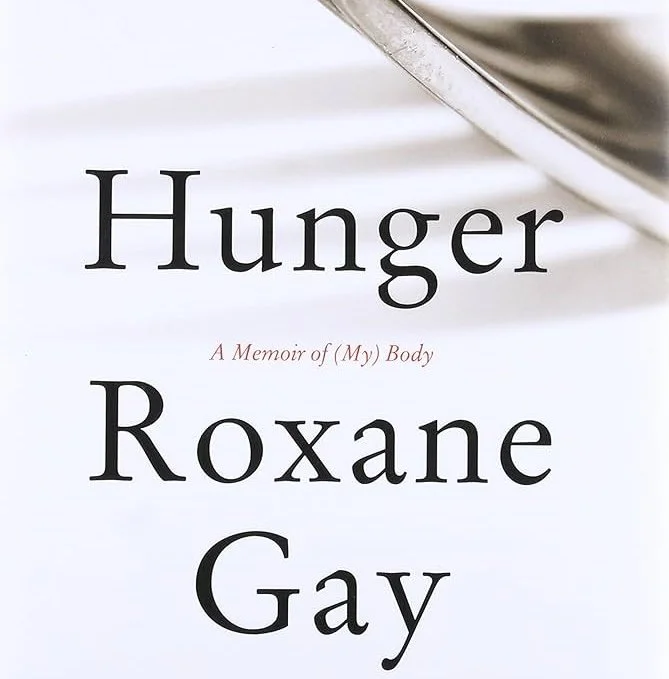
Hunger: A Memoir of (My) Body
Hunger: A Memoir of (My) Body by Roxane Gay is a candid and powerful reflection on trauma, body image, and self-acceptance. Gay recounts how childhood sexual violence shaped her relationship with food and her body, leading her to use weight as protection. Through honest storytelling, she examines how society treats fatness, desire, and vulnerability, offering a moving exploration of living in a body that holds both pain and resilience.
-

A new era of weight loss: Mental health effects of GLP-1 drugs
Psychologists are helping patients manage body image, identity, and relationship changes.
-

The Daily Podcast: Marriage and Sex in the Age of Ozempic
In the last few years, GLP-1 weight-loss drugs like Ozempic and Zepbound have been radically reshaping the people’s lives, changing appetites and health. But the drugs also have the power to affect other parts of consumers’ lives, including their romantic relationships. Lisa Miller, who writes about health for The New York Times, tells the story of how these drugs upended one couple’s marriage.